What is Acute Renal Failure?
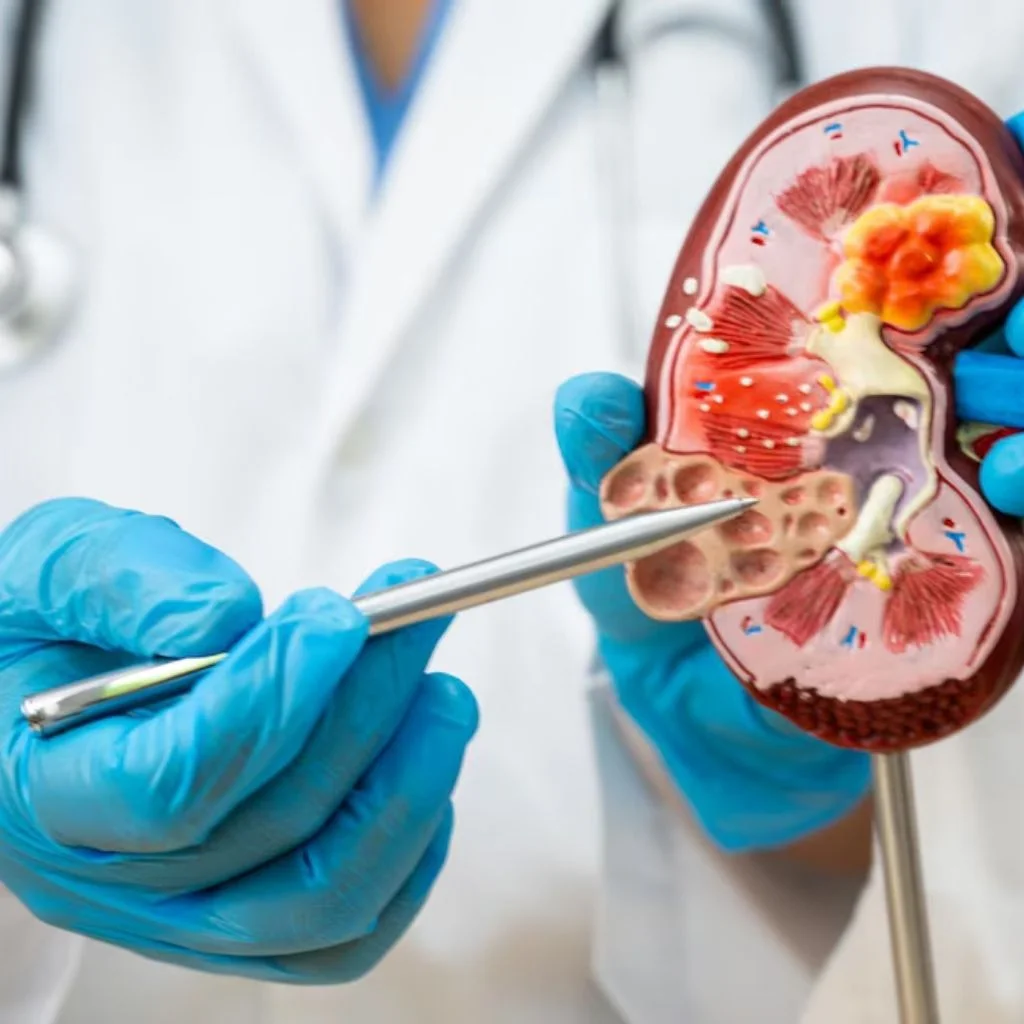
Acute Kidney Injury is a serious condition where the kidneys suddenly lose their ability to filter waste and excess fluid from the blood which happens suddenly in a short period of time usually over hours to days. When the kidneys are not working properly, harmful toxins and waste products and excess fluid can build up in the body. This leads to health issues like swelling, high blood pressure, and problem with breathing.
Symptoms of Acute Renal Failure:
Acute Kidney Injury (AKI) can present with various symptoms, but it’s important to note that some people might not notice any signs, especially early on. If you experience any of these, it’s wise to consult a kidney specialist , particularly if you have risk factors like diabetes or high blood pressure.
Urinary Changes: Making less urine than usual or no urine at all.
Fluid Retention: Swelling in the legs, ankles, or feet, and sometimes shortness of breath.
General Malaise: Fatigue, tiredness, weakness, drowsiness, and loss of appetite.
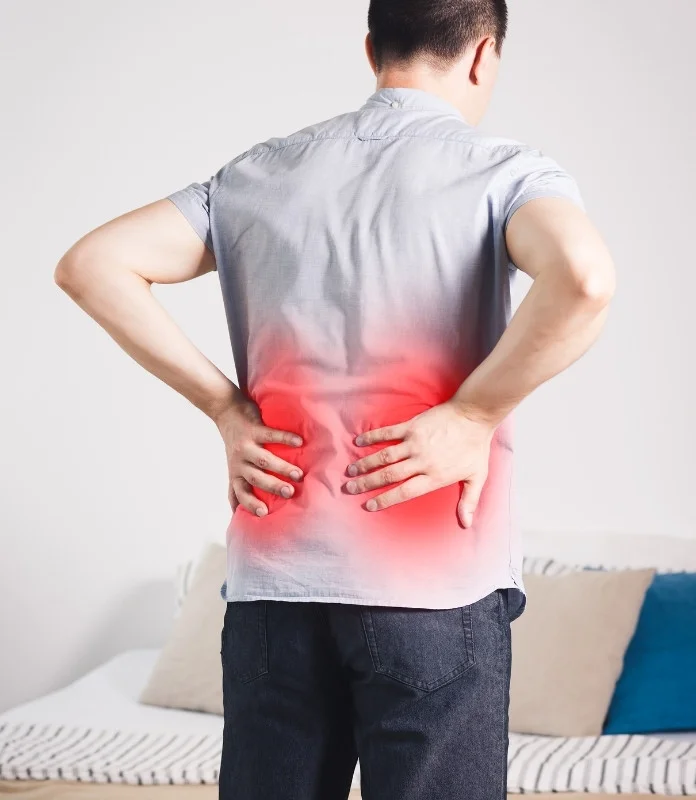
Other Signs: Confusion, mood changes, nausea, vomiting, diarrhea, dehydration, flank pain, belly pain, chest pain or pressure seizures or coma.
Types Of Acute Kidney Disease:
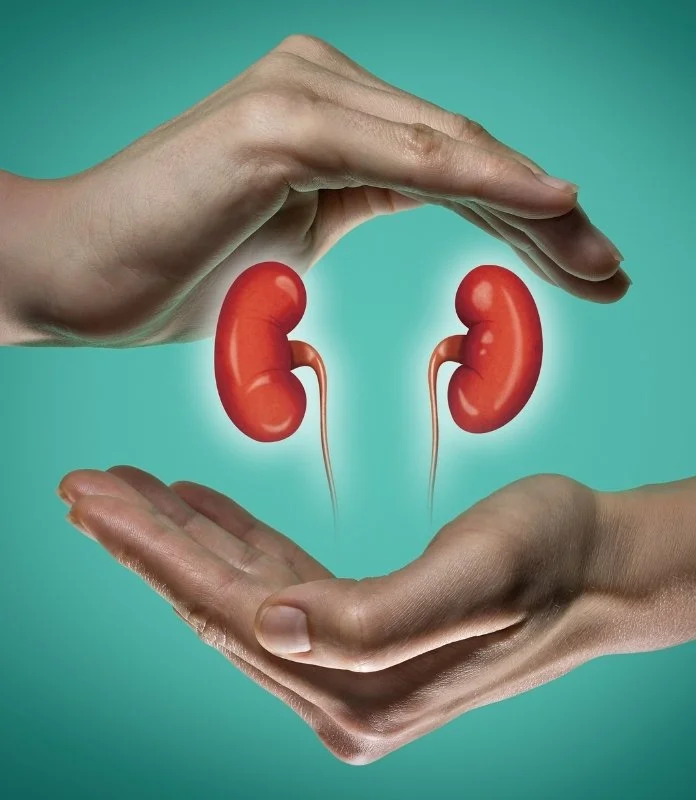
Prerenal Causes (Before the Kidneys)
It comes from the decrease of blood supply to the kidneys for the most part due to bleeding, dehydration, low blood pressure, heart problems, infections, burns, liver failure, or NSAID use.
Intrinsic (Renal) Causes (Within the Kidneys)
The causes that arise due to the direct injury to the kidneys, such as blood clots, immunities (like glomerulonephritis), lupus, infections, toxins, drugs, or muscle breakdown (rhabdomyolysis)
Postrenal Causes (After the Kidneys)
The obstruction of the urine flow from the kidneys to the bladder can be caused by different reasons: kidney stones, the prostate complications, urinary clots, cancers, or/and the malfunction of the nerves that control the bladder.
Treatment for Acute Renal Failure:
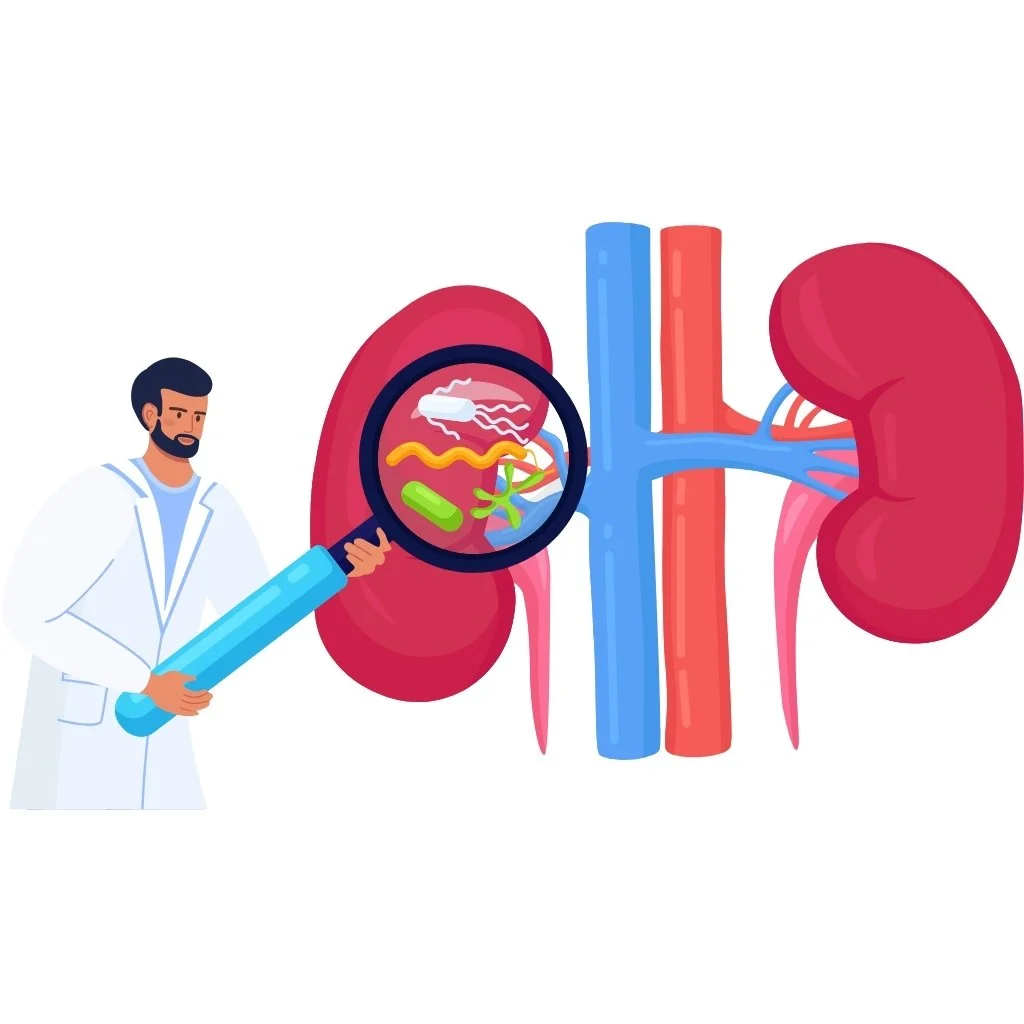
Treatment for Acute Renal Failure involves addressing the underlying causes, managing fluids and electrolytes, prescribing medications, and using dialysis if required. With timely care from the best nephrologist, patients can recover kidney function and prevent further complications.
Treat Underlying Causes
Eliminate infections, treat dehydration and correct hypotension, and treat urinary tract obstruction surgically
Fluid & Electrolyte Management
We need to reduce Sodium, potassium, and fluids must be balanced to avoid complications.

Medications
Diuretics and antibiotics if there is evidence of sepsis and inotropic support in case of hypotension
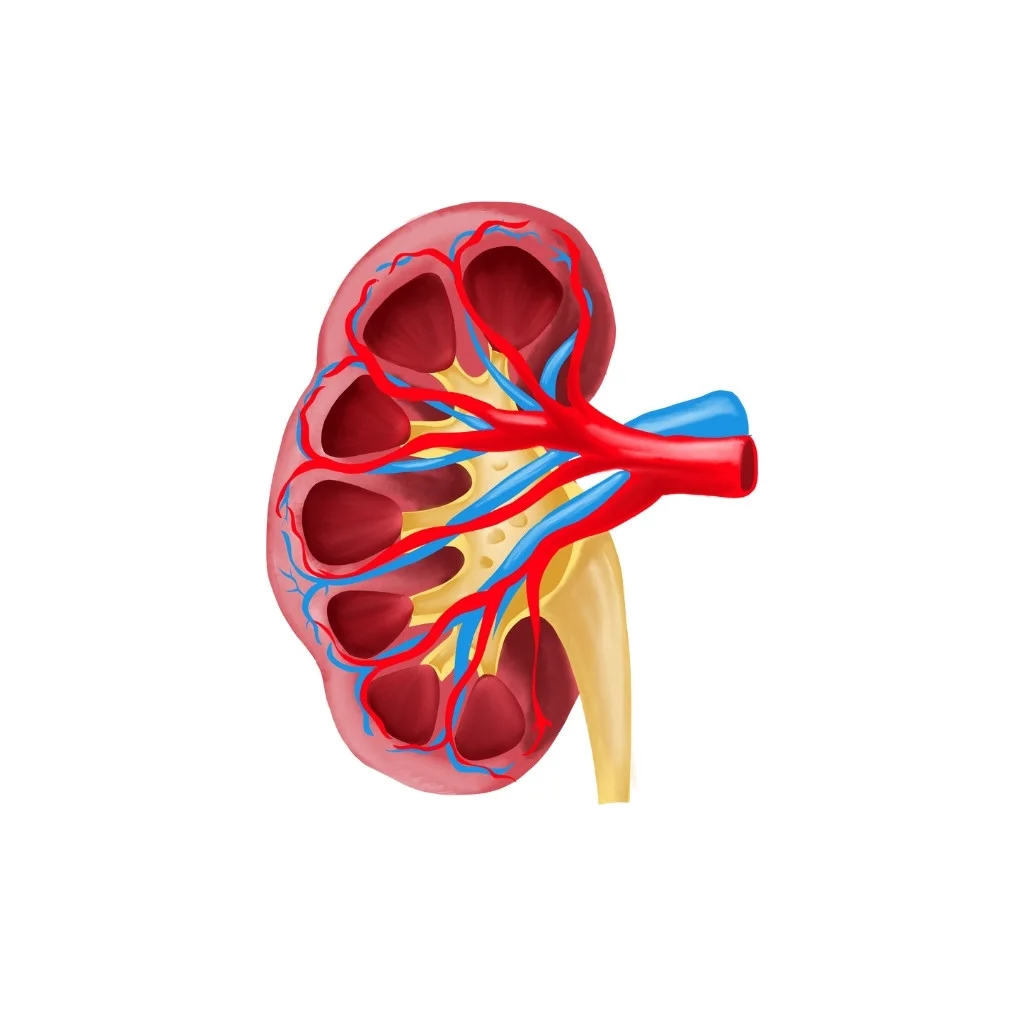
Dialysis
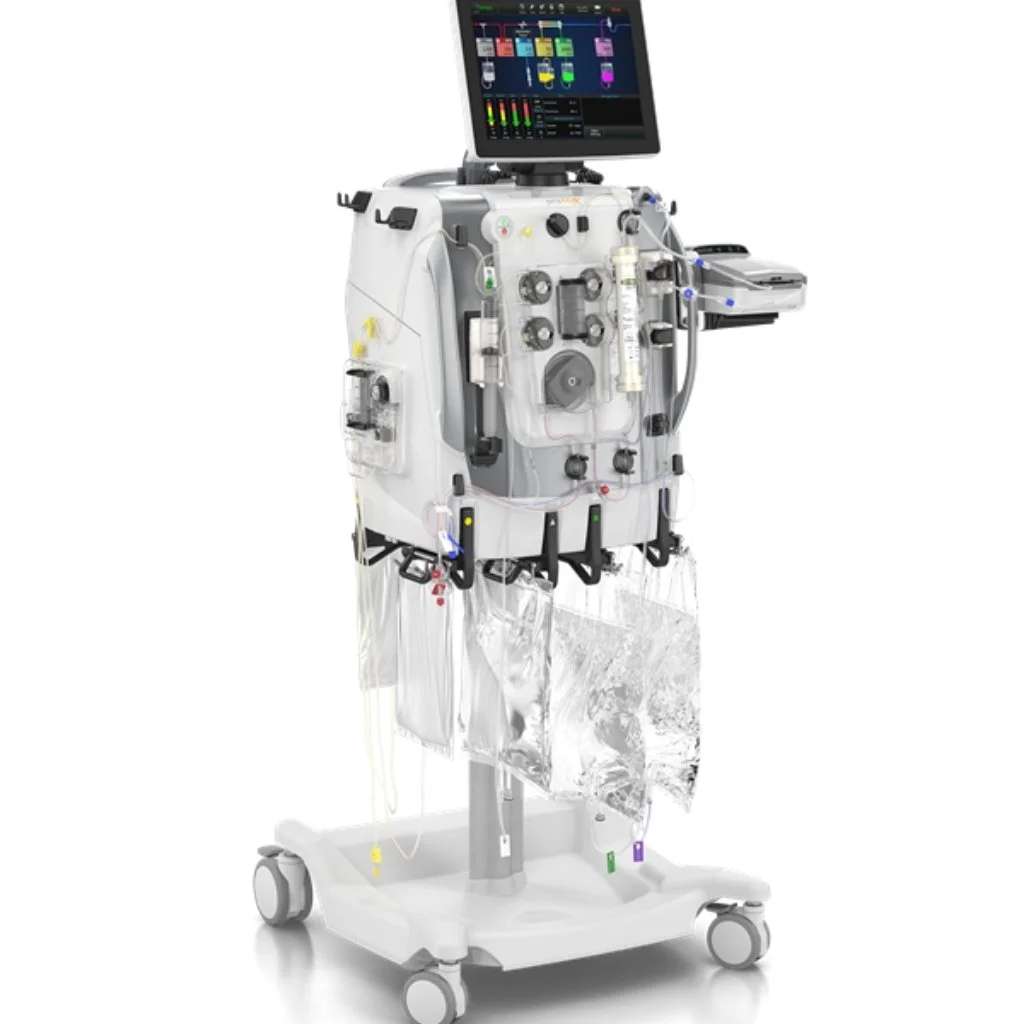
If kidneys don’t remove toxins, temporary dialysis (SLEDD / CRRT) may be required.
Acute Renal Failure can occur for several reasons, including:

Dehydration
When you lose too much fluid from your body, like through severe vomiting or diarrhoea, or not drinking enough water.
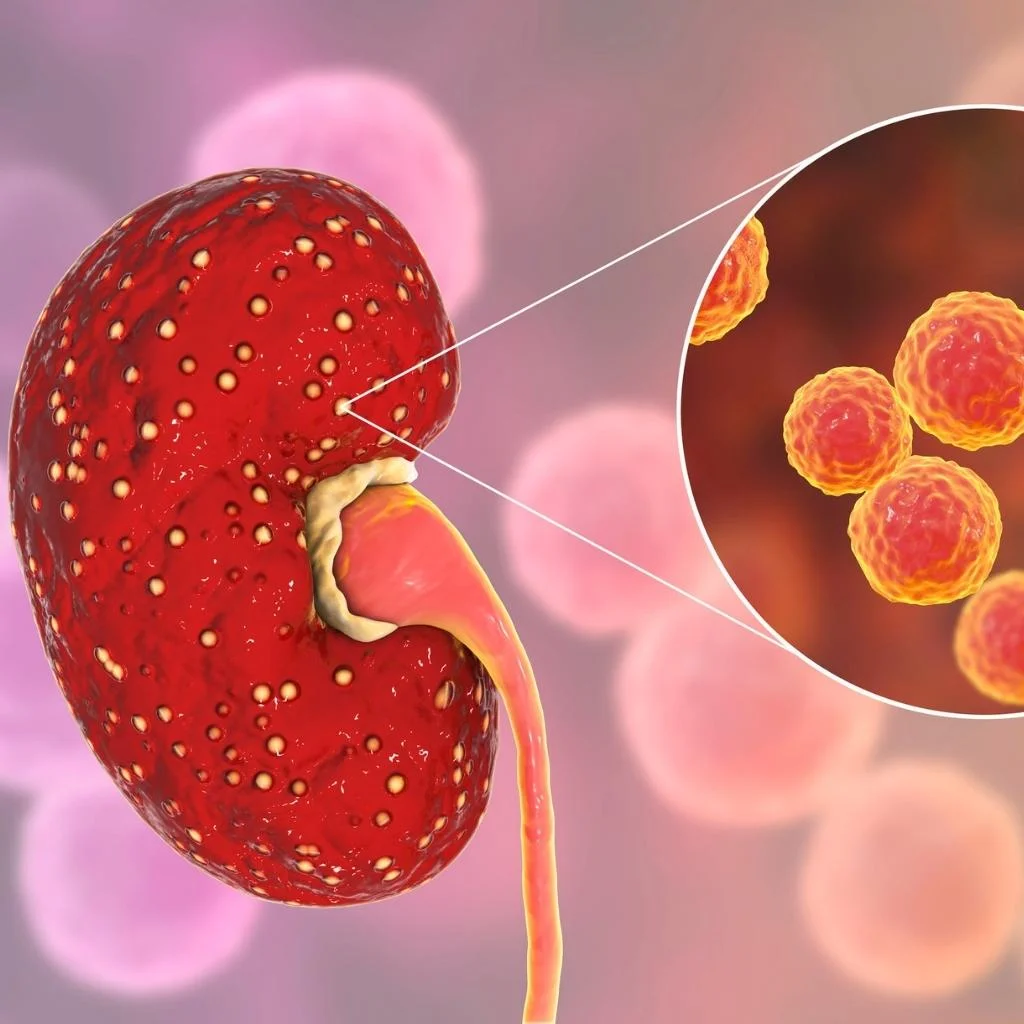
Infections
Severe infections like sepsis can damage the kidneys.

Medications
Some drugs, like certain painkillers, antibiotics, or drugs used in chemotherapy, can harm the kidneys.
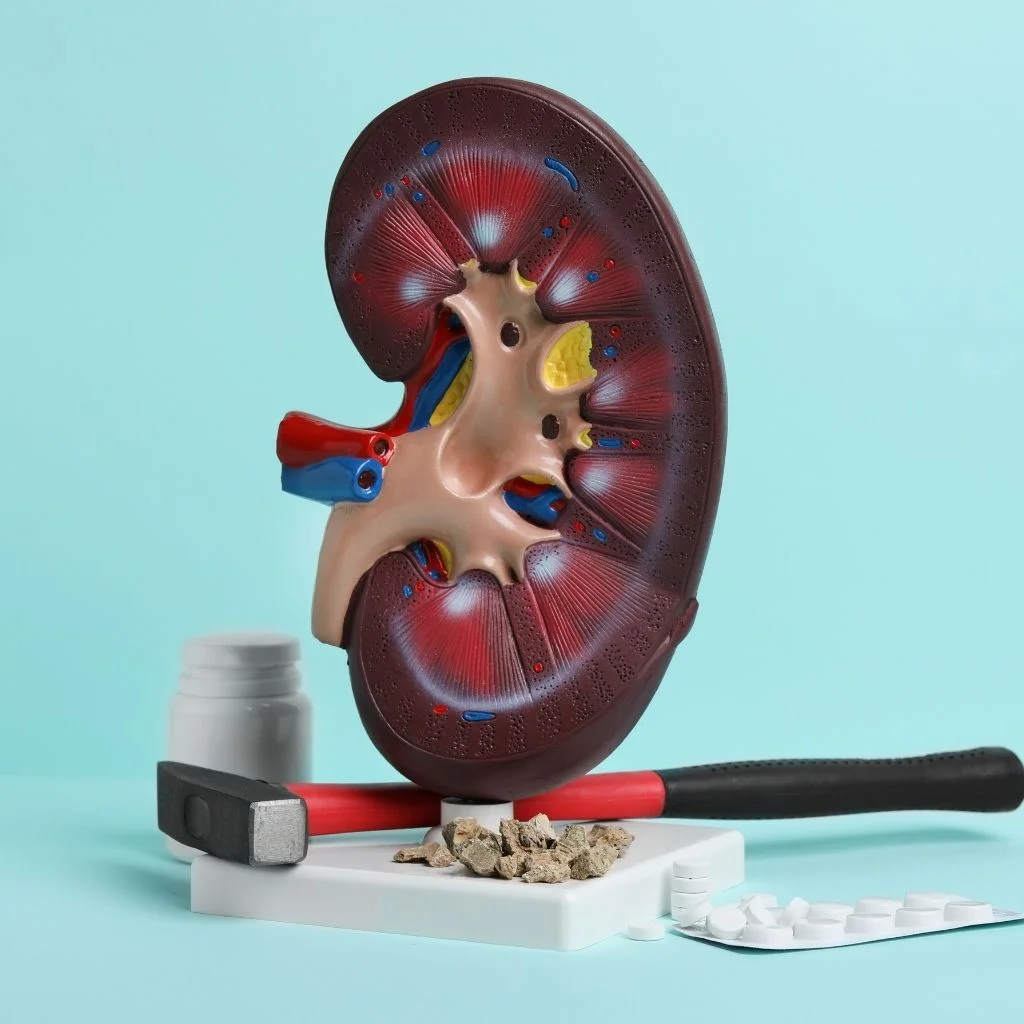
Blockages
Anything that blocks the flow of urine, like kidney stones or an enlarged prostate, can lead to AKI.
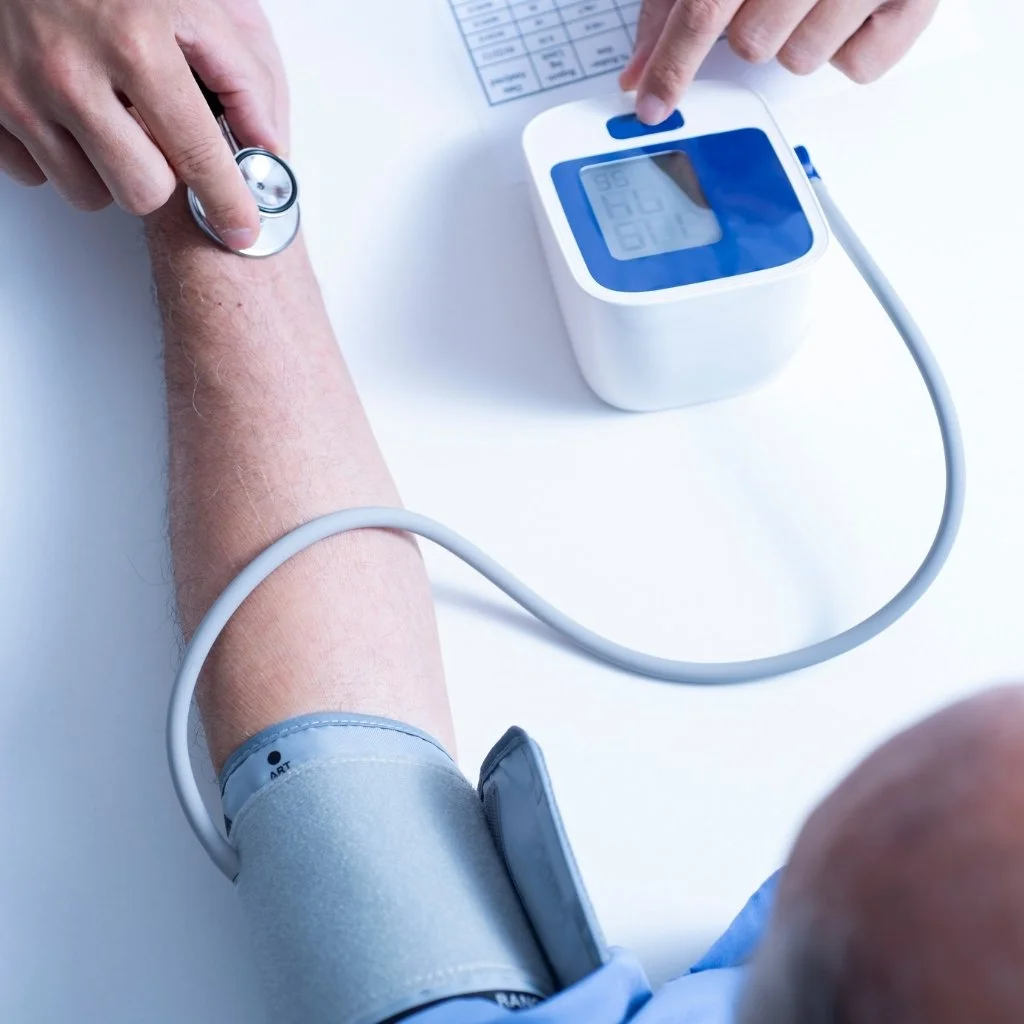
Low Blood Pressure
When blood pressure drops too low, it can prevent the kidneys from getting enough blood and oxygen, leading to damage.
Why choose Dr. Kosha Patel for Acute Renal Failure Treatment?



Key Highlights of Our CKD Diagnosis Services
The primary method of diagnosing this ailment is through blood tests, urine tests, and imaging tests alongside kidney biopsies if necessary. The diagnostics can be further broken down into:
- Serum Creatinine Levels
- Blood Urea Nitrogen
- Estimated Glomerular Filtration Rate
- Itching all over the body
- Proteinuria (Albumin in Urine)
- Haematuria (Blood in Urine)
- Ultrasound or CT scans of the abdomen
Get More Consultations
Take the first step towards better kidney health with expert nephrology care from Dr. Kosha Patel. Manage chronic kidney failure confidently with compassionate, specialized treatment tailored just for you.
Contact Us