
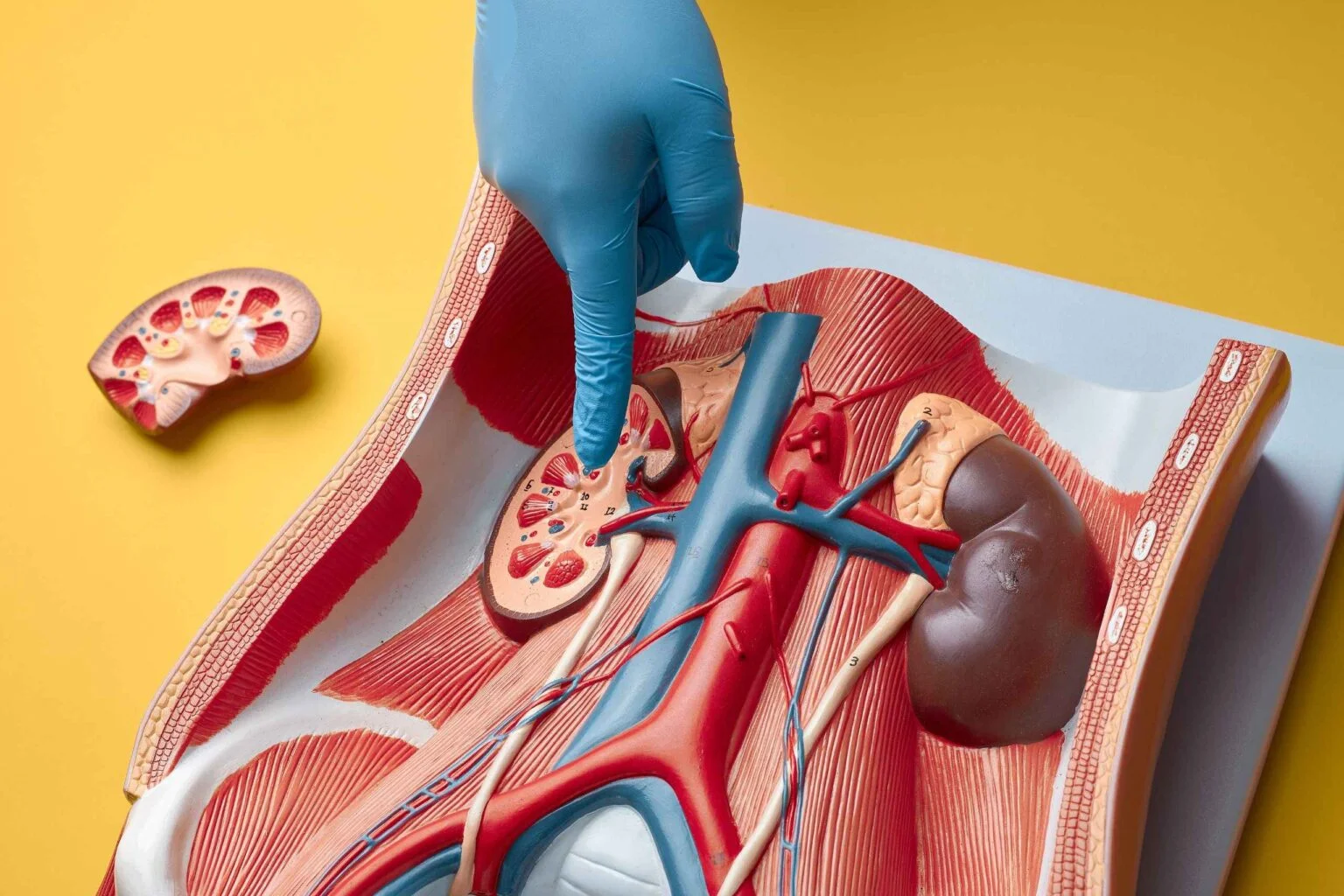
Hemodialysis: Expertise from Kidney Specialists and Dialysis Experts
Hemodialysis is one of the modalities for dialysis a life-saving treatment for individuals with kidney failure. As a Kidney specialist and a dialysis experience, Dr. Kosha Patel, Nephrologist provide awareness about this treatment, its benefits, and how patients can manage their health while on hemodialysis.
What is Hemodialysis?
Hemodialysis is a process that filters waste, excess fluids, and toxins from the blood, with the help of machine mimicking the kidney’s natural function. It is primarily used when the patient has permanent kidney failure that is chronic kidney disease or Acute kidney injury that is temporary kidney failure.

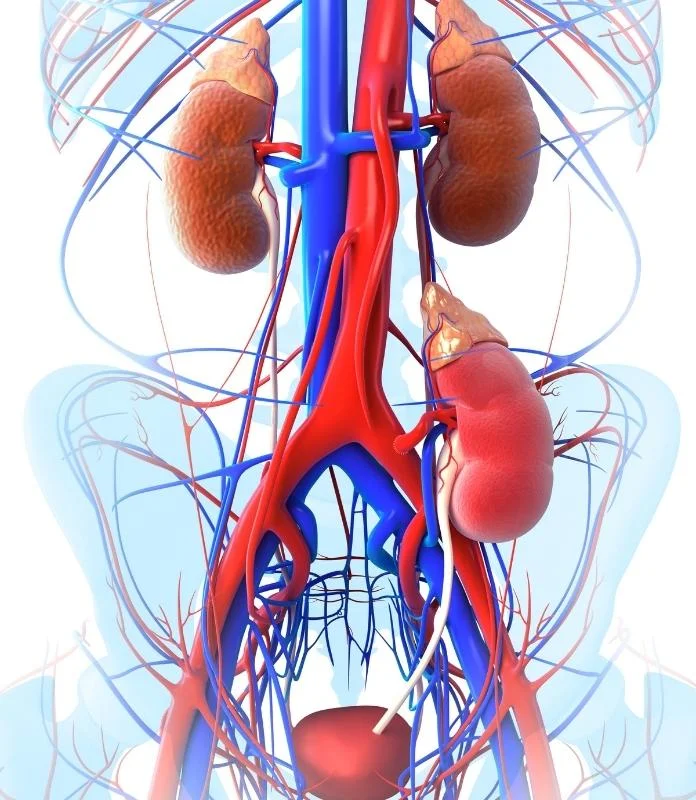
How Does Hemodialysis Work?
During hemodialysis, the patient’s blood is drawn out of the body with the help of machine that filters it through a special membrane, removing toxins and waste. The clean blood is then returned to the body. This process usually takes 3 to 5 hours and is done multiple times a week.
Types of Dialysis
There are two different modalities of dialysis, Haemodialysis or peritoneal dialysis. In haemodialysis, blood is filtered through a machine outside the body. For peritoneal Dialysis, a cleansing liquid is infused through a catheter into the peritoneal cavity:
Haemodialysis (HD) Patients
Blood is taken away from the body and purified in a dialyser and then “clean” blood is infused back into the body
KNOW MORE ABOUT HAEMODIALYSISPeritoneal Dialysis (PD)
A dialysis solution (dialysate) is introduced into the abdomen through a catheter and drained after absorbing toxins.
KNOW MORE ABOUT PERITONEAL DIALYSISWhat does one need to consider while on hemodialysis?
Dietary Restrictions
Patients undergoing hemodialysis need to follow a low fluid intake, often a diet which is low in potassium, phosphorus, and sodium, to help manage fluid balance and prevent complications.
Fluid Management
Hemodialysis patients must carefully manage their fluid intake to less than one litre in a day to avoid fluid overload, which can strain the heart and cause accumulation of fluid in the lungs and abdomen.
Medication Adherence
Patients often require medications to control blood pressure, manage electrolytes, increase hemoglobin levels and support bone health.
Mental and Emotional Health
The process of dialysis can be mentally and emotionally challenging. Support from family, friends, and mental health professionals can play a critical role.
Regular Monitoring
Frequent check-ups and lab tests are essential to monitor kidney function, fluid balance, and overall health. These helps adjust dialysis treatments and ensure that other health issues are managed.
Life with Hemodialysis
While dialysis can significantly improve quality of life, it however doesn't replace the kidney's function entirely. Patients need to maintain a healthy lifestyle, exercise and follow dietary restrictions while on hemodialysis.
At our clinic, under expert guidance, we support dialysis patients with care and compassion, helping them stay informed, supported, and live active lives despite kidney challenges.
Hemodialysis is a vital treatment offering hope to individuals with kidney failure. We provide strong support to patients and their families to make this journey easier and more manageable.
Get More Consultations
Take the first step towards better kidney health with expert nephrology care from Dr. Kosha Patel. Manage chronic kidney failure confidently with compassionate, specialized treatment tailored just for you.
Contact Us