
Understanding Pediatric Nephrology
Pediatric nephrology is a specialized branch of medicine that focuses on the diagnosis, treatment, and management of kidney-related conditions in children. Just like adults, nephrologists are specifically trained to handle kidney disorders in the younger population, from infants to teenagers.
What Is Pediatric Nephrology?
The kidneys play a crucial role in the body, filtering waste from the blood, regulating blood pressure, balancing fluid levels, and producing hormones that help the body function properly. When kidney problems arise in children, it can have a significant impact on their growth, development, and overall health. Dr Kosha Patel, our best nephrologist in ahmedabad, aims to provide medical care tailored to the unique needs of growing children, taking into account their developmental stages and specific medical needs.

Role of a Pediatric Nephrologist
Nephrologists treat a wide range of kidney-related conditions, from kidney stones, infections, and high blood pressure to chronic kidney disease, acute renal failure, and transplant care. With expert guidance from a nephrologist, patients can manage symptoms effectively and protect long-term kidney health.
Diagnosis
Through various tests like blood tests, urine tests, imaging studies, and sometimes biopsies, done under short General Anesthesia a pediatric nephrologist can accurately identify kidney problems.
Treatment Plans
Based on the diagnosis, the nephrologist designs a treatment plan, which may involve medications, lifestyle changes, or even surgical intervention in severe cases.
Management of Chronic Conditions
For children with long-term kidney issues like chronic kidney disease or nephrotic syndrome, pediatric nephrologists provide ongoing care and monitor kidney function regularly.
Support for Families
Kidney disease in children can be a stressful experience for both the child and their family. Pediatric nephrologists not only treat the child but also offer emotional support and guidance on managing the condition day-to-day.
Kidney failure
Collaboration Pediatric nephrologists often work with other specialists, such as dietitians, cardiologists, and transplant surgeons, to ensure comprehensive care for children with complex conditions.
Importance of Early Detection and Treatment
The kidneys are essential for a child’s overall health, and kidney issues can sometimes go unnoticed in the early stages. Children might not show obvious symptoms, or their symptoms could be mistaken for other illnesses. Regular check-ups and awareness of early signs, such as:
- Swelling in the face, legs, or abdomen
- Dark, foamy, or bloody urine
- Anemia
- Painful urination
- Unexplained high blood pressure
- Fatigue or loss of appetite
- Stunted Growth
Conditions Treated by Dr. Kosha Patel

Chronic Kidney Disease (CKD)
A long-term condition where kidneys slowly fail, often from birth defects, diabetes, or high blood pressure.
Nephrotic Syndrome
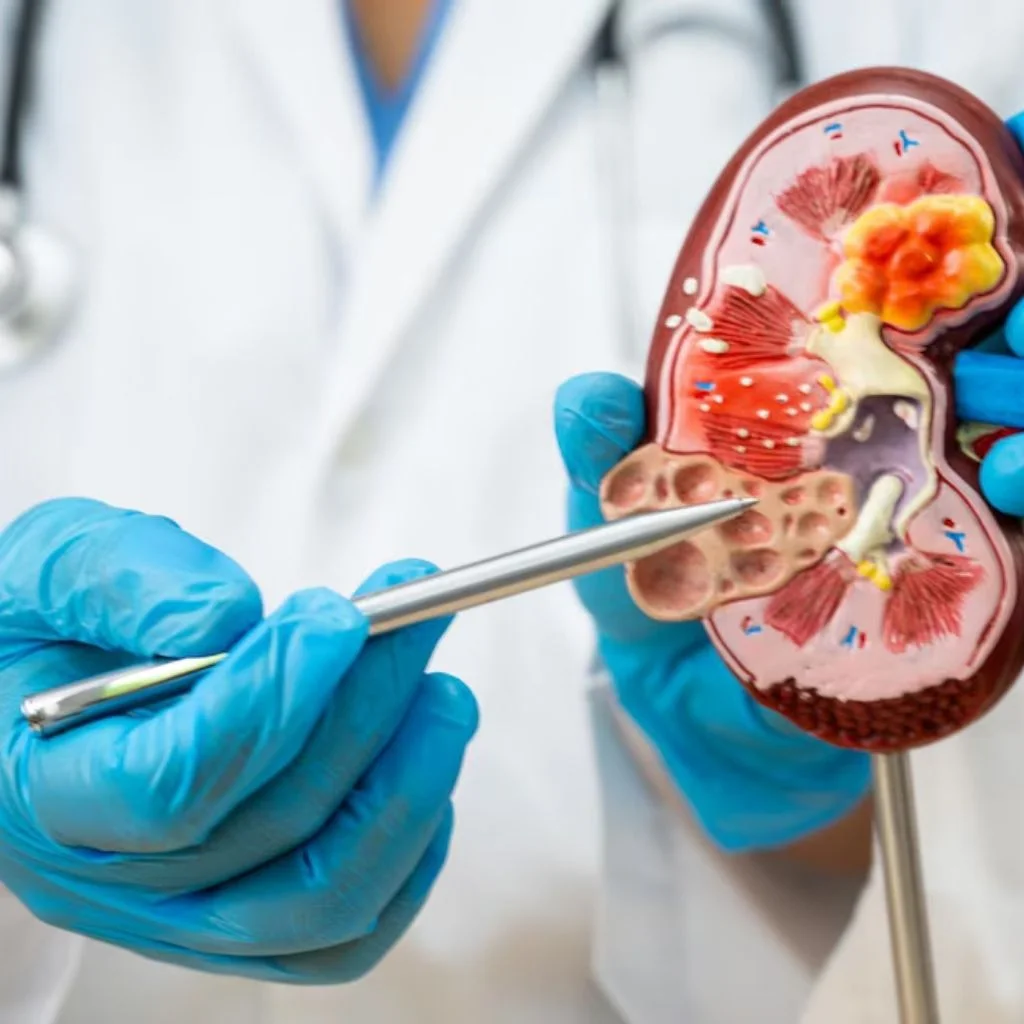
A disorder causing kidneys to leak protein into urine, leading to swelling and high cholesterol.
Urinary Tract Infections (UTIs)
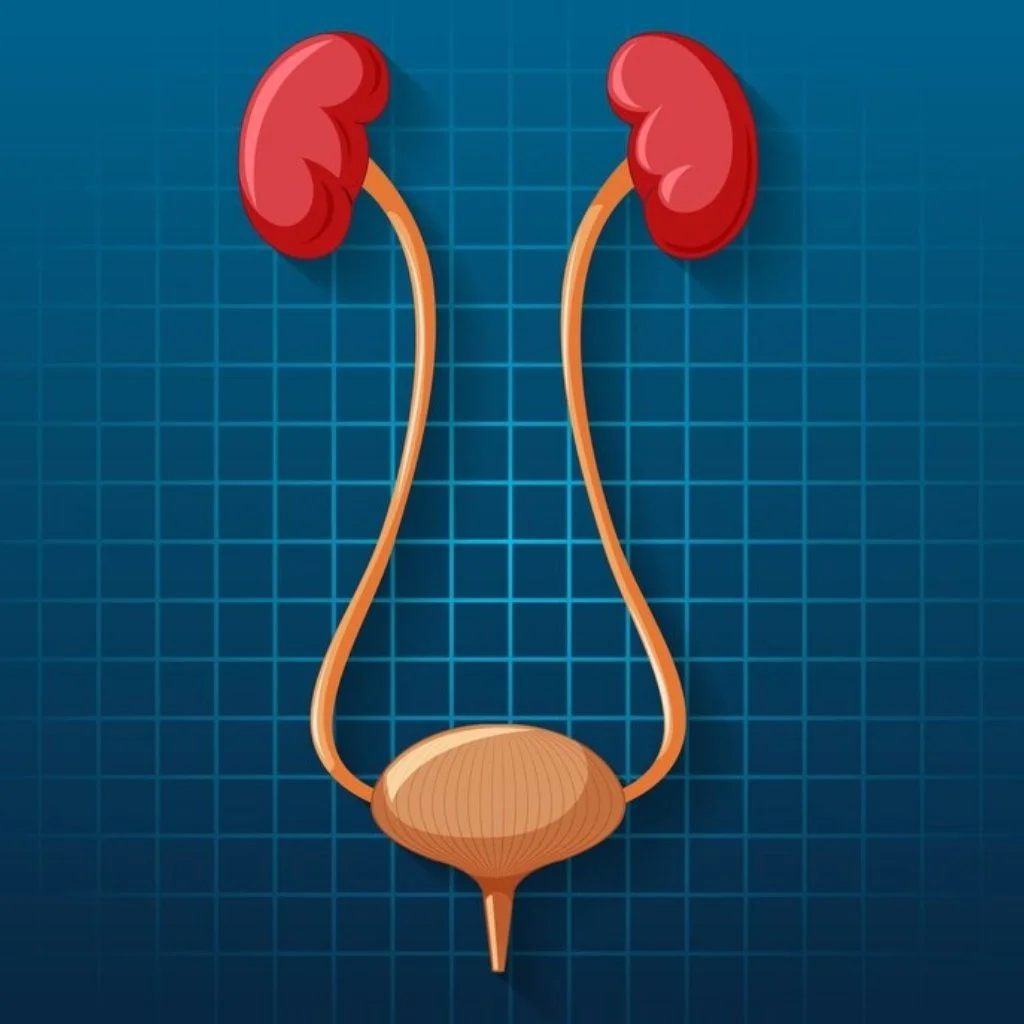
Urinary infections from developmental defects can damage kidneys, especially if untreated or happen repeatedly.
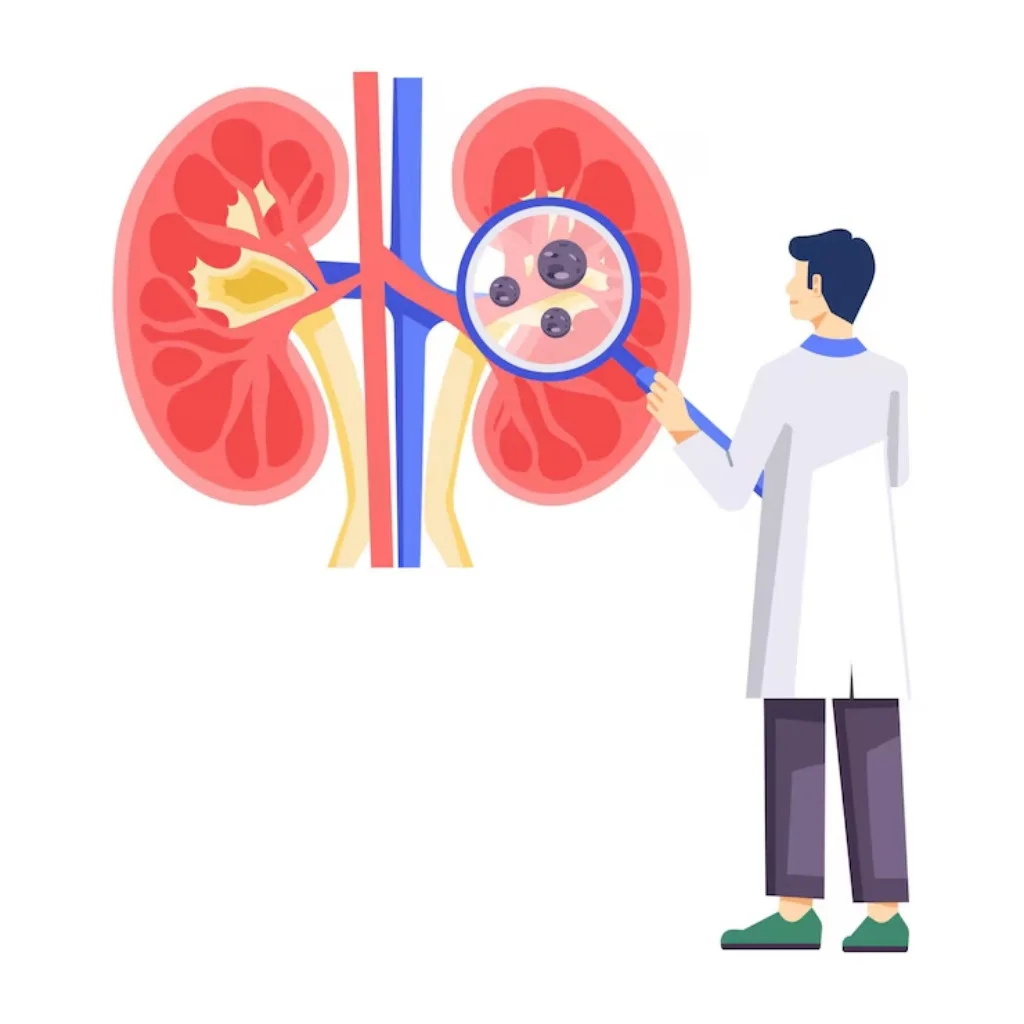
Kidney Stones
Though rarer, children can get kidney stones from structural or inherited issues, causing pain or damage.

Hypertension (High Blood Pressure)
Kidney disease can cause high blood pressure in children, which may worsen kidney damage if untreated.

Renal Failure
In severe cases, the kidneys may stop functioning altogether, requiring treatment like dialysis or even a kidney transplant.
Get More Consultations
Take the first step toward your child's better kidney health with expert pediatric nephrology care from Dr. Kosha Patel. Gentle, personalized treatment designed to support young patients and their families every step of the way.
Contact Us