
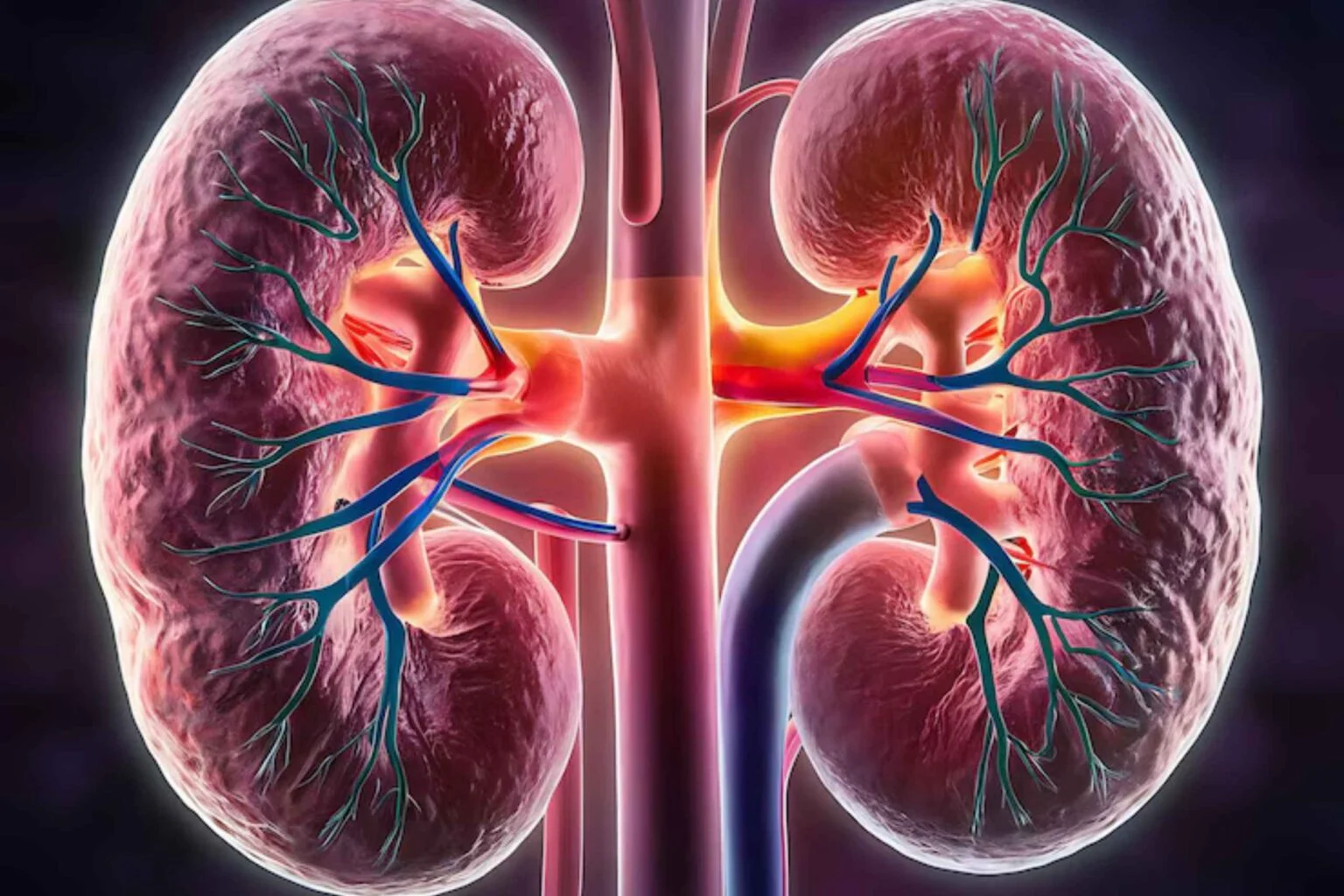
By the Best Nephrologist and Kidney Transplant Specialist
When it comes to kidney transplantation, not all cases are the same. Some patients face additional challenges such as medical complexities, prior transplant failures, or rare blood types that categorize their case as high-risk. In these situations, having the best nephrologist along with a trusted kidney transplant specialist is essential for ensuring safety and long-term success.

The Role of the Kidney Specialist
As a kidney specialist, a nephrologist plays a crucial role before, during, and after the transplant. Pre-transplant evaluations ensure the patient is an appropriate candidate, while coordination with transplant surgeons and immunologists helps develop a personalized strategy to reduce complications. After the procedure, the nephrologist monitors graft function, adjusts immunosuppressive therapy, and helps prevent infections or rejection episodes.
What Is a High-Risk Kidney Transplant?
A high-risk transplant typically involves patients with:
Highly sensitized immune systems (due to previous transplants, pregnancies, or blood transfusions)
Coexisting medical conditions such as diabetes, cardiovascular disease, or infections
ABO-incompatible or HLA-incompatible donors
Pediatric or elderly recipients
History of graft rejection
These transplants demand specialized care, advanced protocols, and close postoperative monitoring.
Why Choose a Top Kidney Transplant Specialist?
At our center, high-risk transplant cases are managed with a combination of cutting-edge technology, evidence-based protocols, and decades of experience. Patients benefit from:
1
Access to desensitization therapies
Access to desensitization therapies
2
Tailored immunosuppression plans
Tailored immunosuppression plans
3
Multidisciplinary care teams
Multidisciplinary care teams
4
Personalized follow-up and long-term care
Personalized follow-up and long-term care
Get More Consultations
If you or a loved one is facing a high-risk kidney transplant, don’t leave your health to chance. Trust a kidney specialist who understands the intricacies of transplant medicine and is dedicated to achieving the best outcomes. Schedule a consultation today and take the first step toward expert, compassionate care tailored to your unique needs.
Contact Us