What is Chronic Kidney Disease?
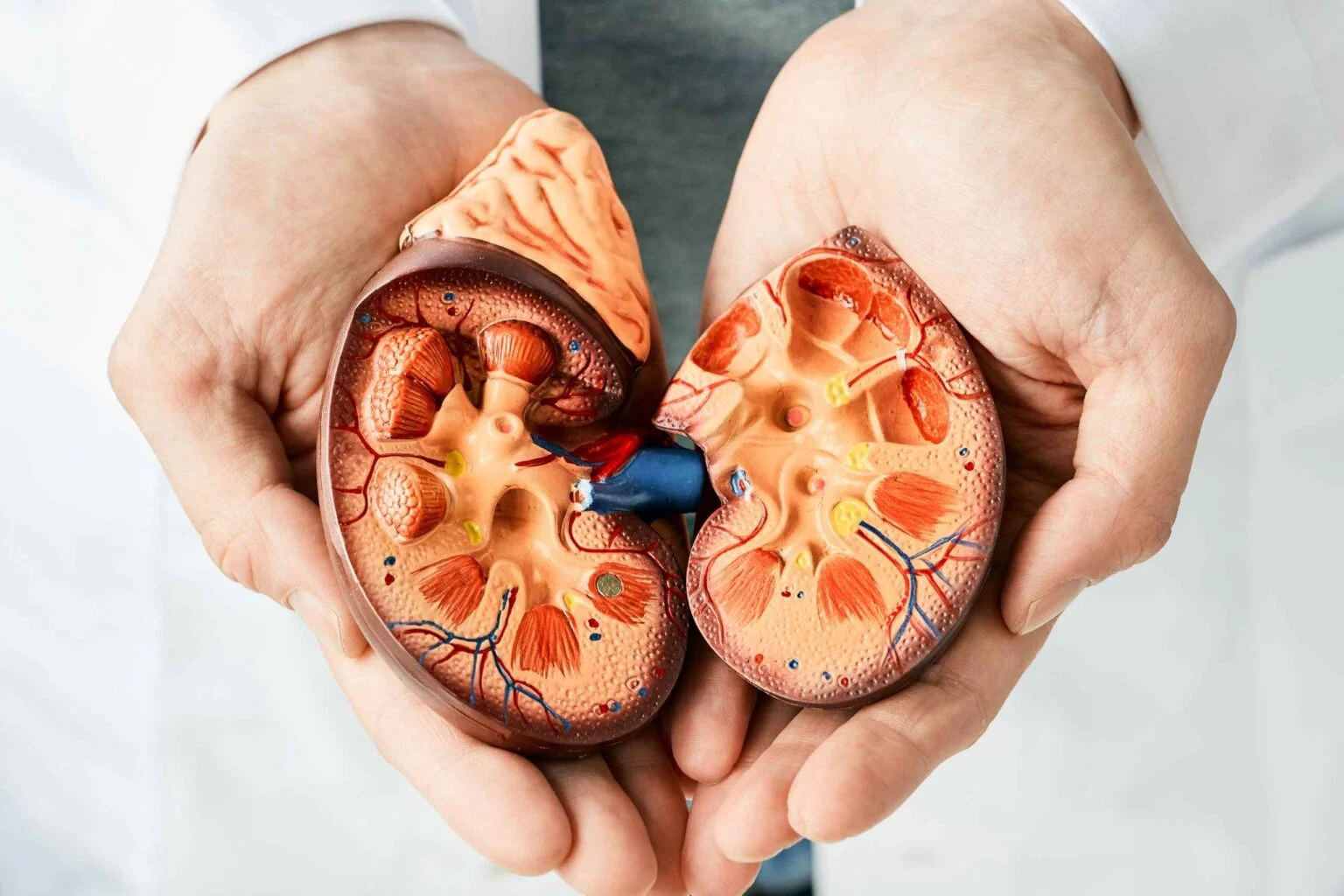
Chronic kidney disease, often referred to as chronic renal failure (CRF), represents the long-term and irreversible deterioration of kidney function. Consulting the best nephrologist can help manage this condition. It results in an inability to filter waste, fluids, and excess electrolytes from the bloodstream, leading to a build-up of toxins, acid, and excess fluid in the body.
Stages of Chronic Kidney Disease (CKD)
Early kidney damage
Your kidneys still work well, but early damage like protein in urine is present. You may feel fine, but the organs aren't fully healthy.
Mild loss of function
Your kidneys are beginning to slow down a little. You may still feel fine, but tests show early signs of damage.
Moderate kidney damage
Your kidneys aren't functioning properly. Stage 3a: mild-moderate damage; Stage 3b: moderate-severe. Symptoms include fatigue, swollen feet, back pain, or high blood pressure.
Critical kidney stage
Kidneys are near complete failure. Symptoms worsen significantly, and treatments like dialysis may soon become necessary to manage the condition effectively.
Kidney failure
Your kidneys have nearly or completely failed. To survive, dialysis or transplant is needed. Treatment may include reduced dialysis with medications for support.

Symptoms of CKD:
Chronic Kidney Disease (CKD) may develop gradually, and its symptoms can vary depending on the stage of the condition. Early detection is important to manage the disease effectively. Common symptoms include:
- Reduced urine output & Reduced appetite
- Acidosis leading of weak bones
- Anemia
- Itching all over the body
- Swelling in feet
- Nausea and vomiting
Treatment Options
Kidney disease treatment includes lifestyle changes, medications, dialysis, or transplant depending on individual health conditions.
Lifestyle Changes
Maintain a low-sodium, low-potassium, and low-protein diet to alleviate kidney stress and maintain overall well-being.

Medications
Medications manage blood pressure, phosphorus, and anemia, decelerating kidney disease and preventing complications.

Regular Dialysis Treatments
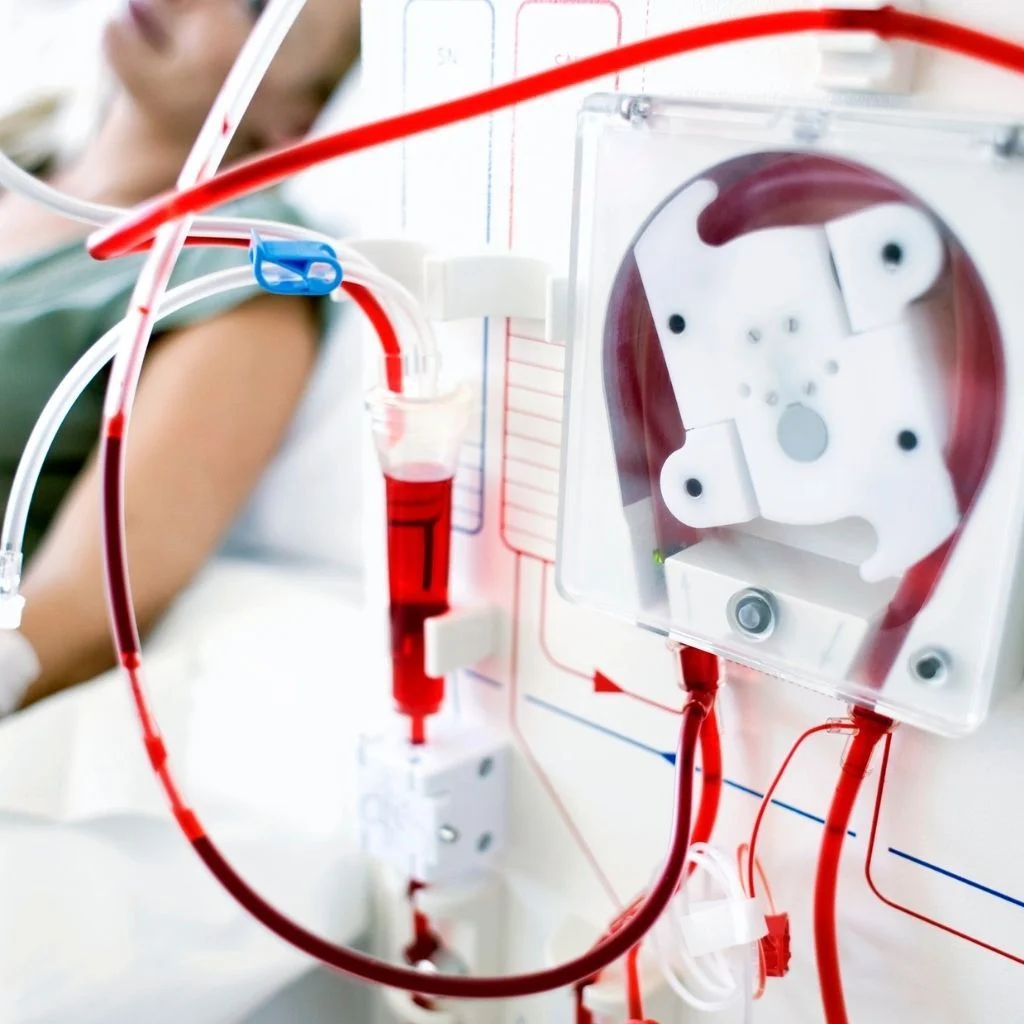
Hemodialysis 3–4 times a week; peritoneal dialysis daily to remove waste when kidneys fail.

Kidney Transplant
Kidney transplantation can restore the function of kidneys and enhance the quality of life for appropriate patients.
Causes of Chronic Kidney Disease (CKD)

Diabetes Mellitus
Long-term high blood sugar can damage kidney blood vessels, making it difficult for kidneys to filter waste from the blood.

Hypertension (High Blood Pressure)
Long-term high blood pressure strains the kidneys, gradually reducing their function and potentially leading to complete loss of kidney activity.
Glomerulonephritis
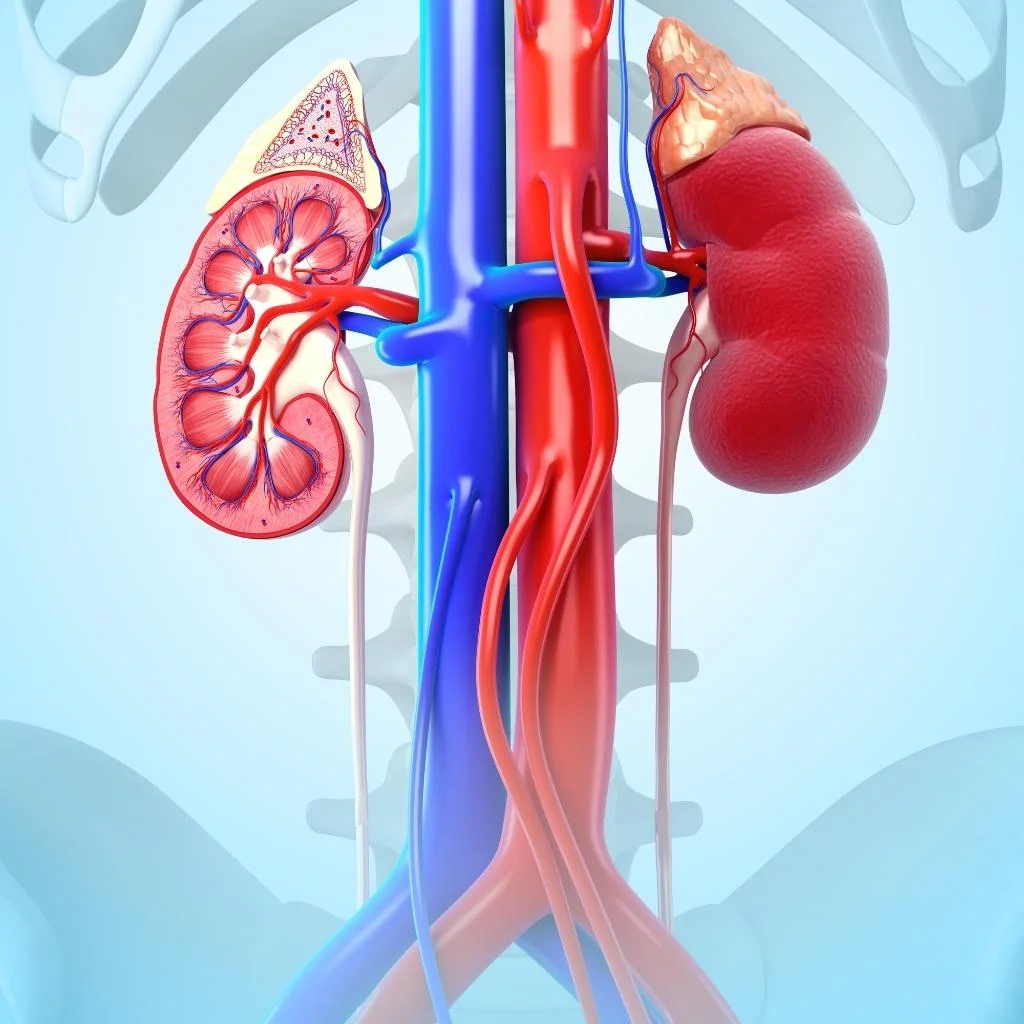
This condition occurs when inflammation or damage to kidney filters prevents effective blood purification, leading to reduced kidney function.
Polycystic Kidney Disease
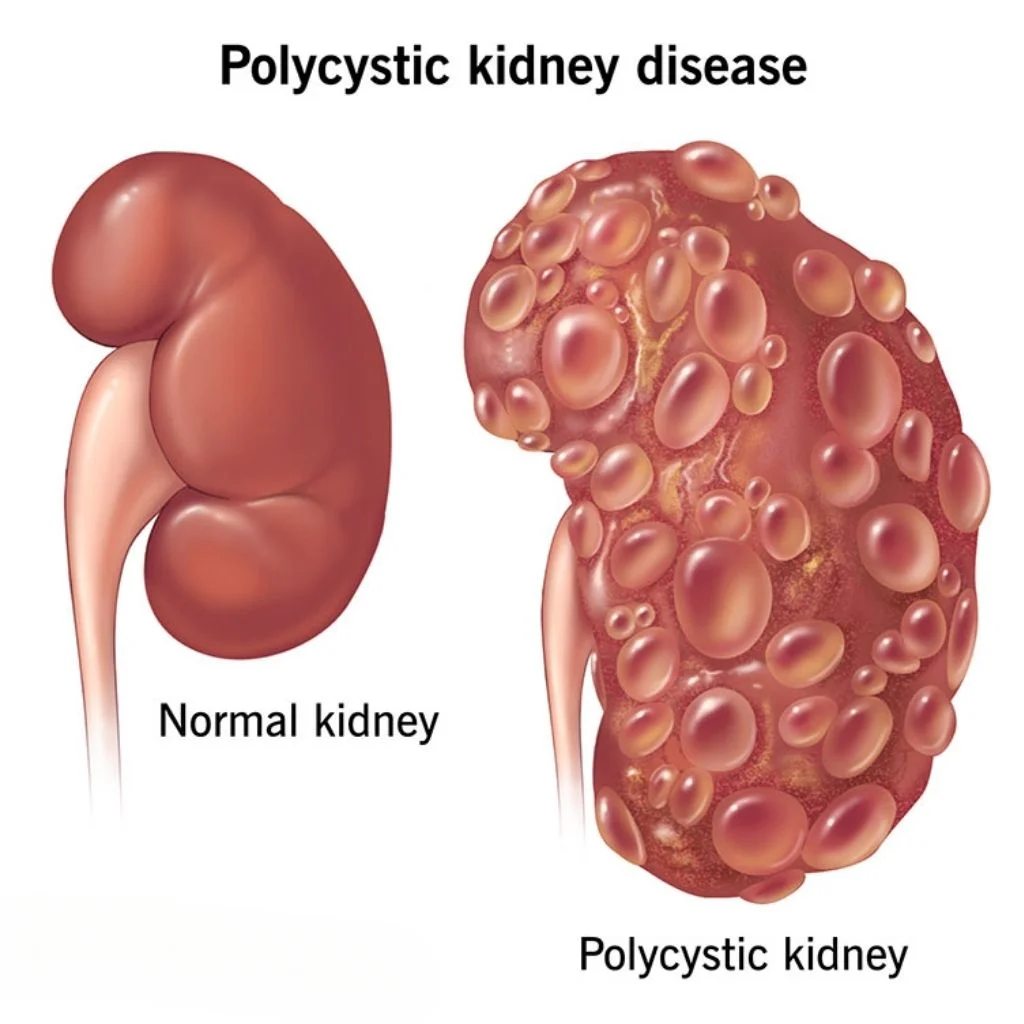
Polycystic kidney disease causes fluid-filled cysts in the kidneys, gradually weakening kidney tissue and leading to reduced kidney function over time.
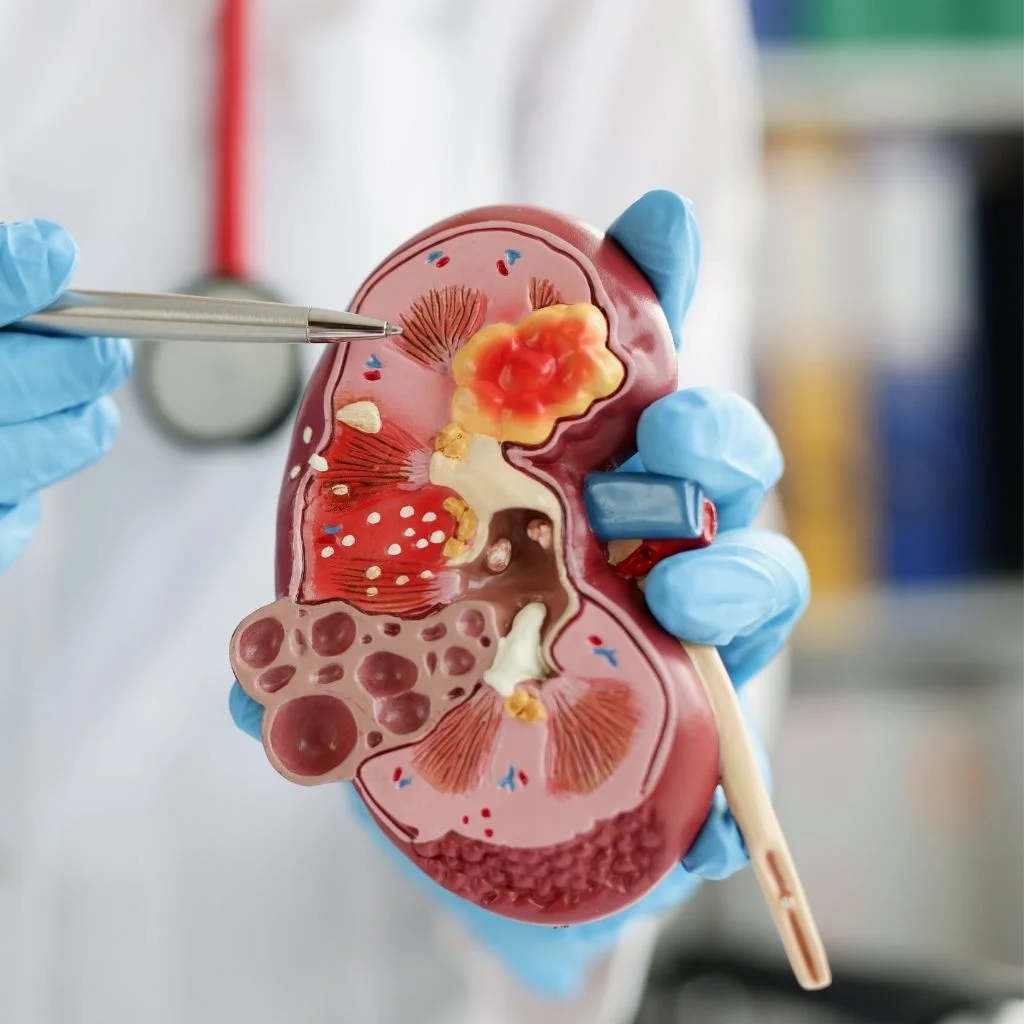
Obstructive Uropathy
Kidney stones or benign prostatic hyperplasia can block urine flow, causing urine reflux that may lead to serious kidney damage over time.
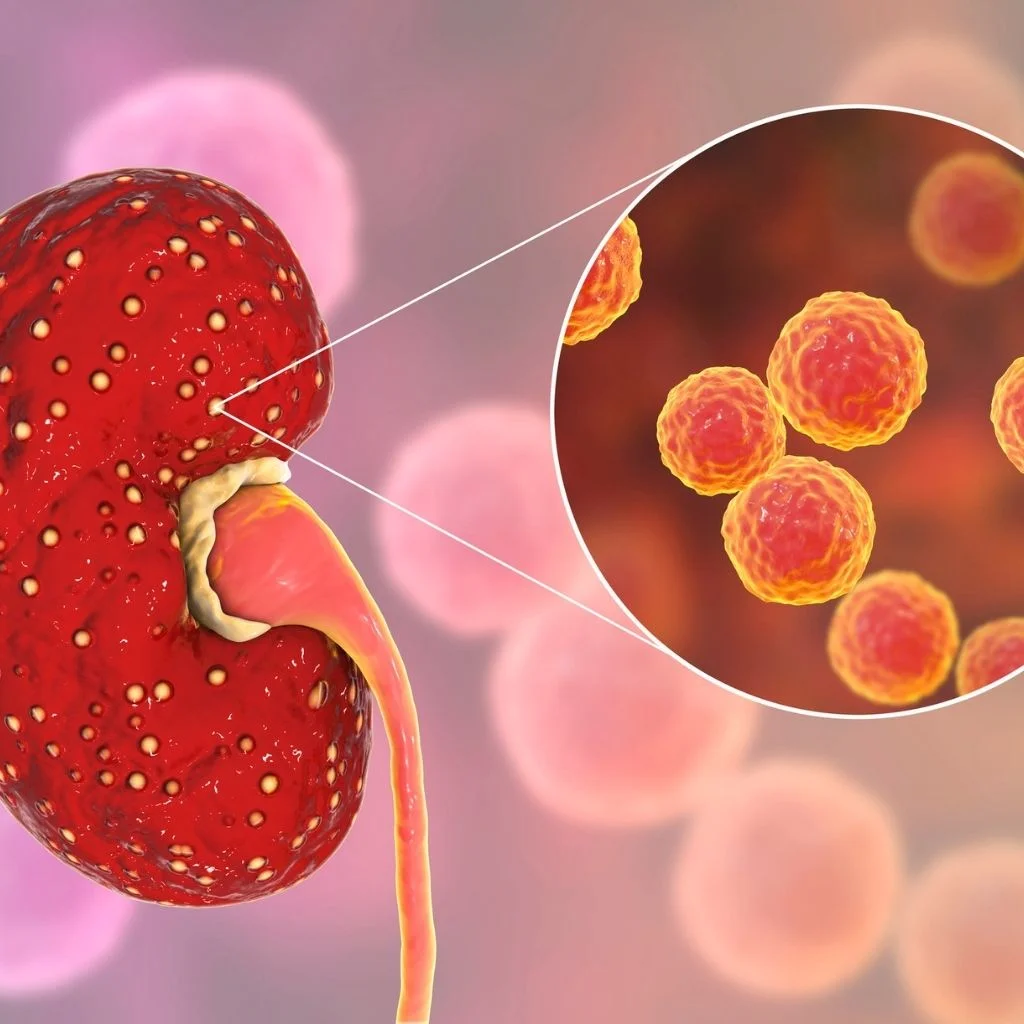
Recurrent Kidney Infections
A kidney infection, if not cured reaches the tissues and leaves scars and if it goes through repeated cycles will surely cause serious damage to the organ.
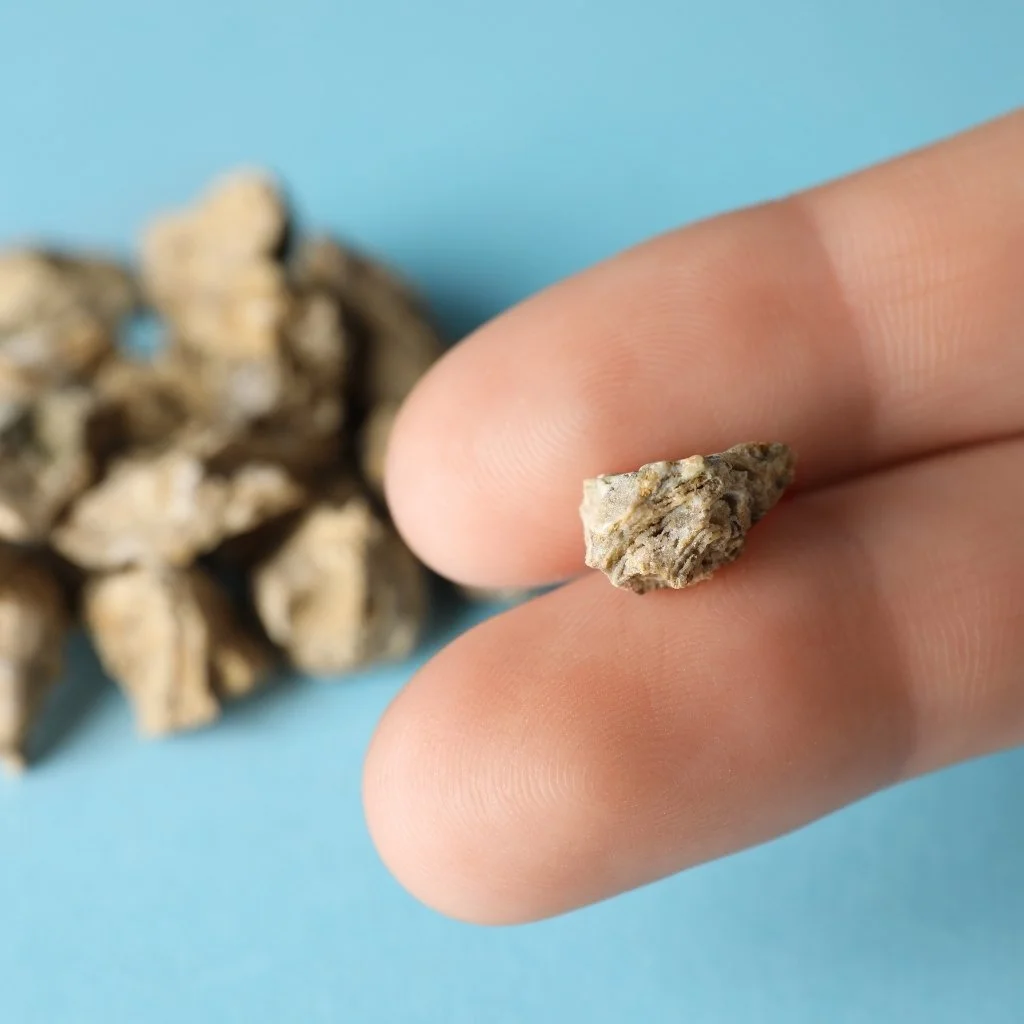
Recurrent Kidney Stones
Repeated kidney stones blocking urine flow can cause ongoing kidney damage and lead to a gradual decline in kidney function over time.

Autoimmune Disorders
When the immune system attacks the kidneys, diseases like lupus cause inflammation and damage, reducing the kidneys’ ability to function properly.
Long-Term Use of Nephrotoxic Drugs (like painkillers)
Long-term use of harmful drugs can cause irreversible kidney damage, leading to loss of function and requiring immediate medical intervention.
Why Choose Dr. Kosha Patel for Chronic Kidney Disease Treatment?

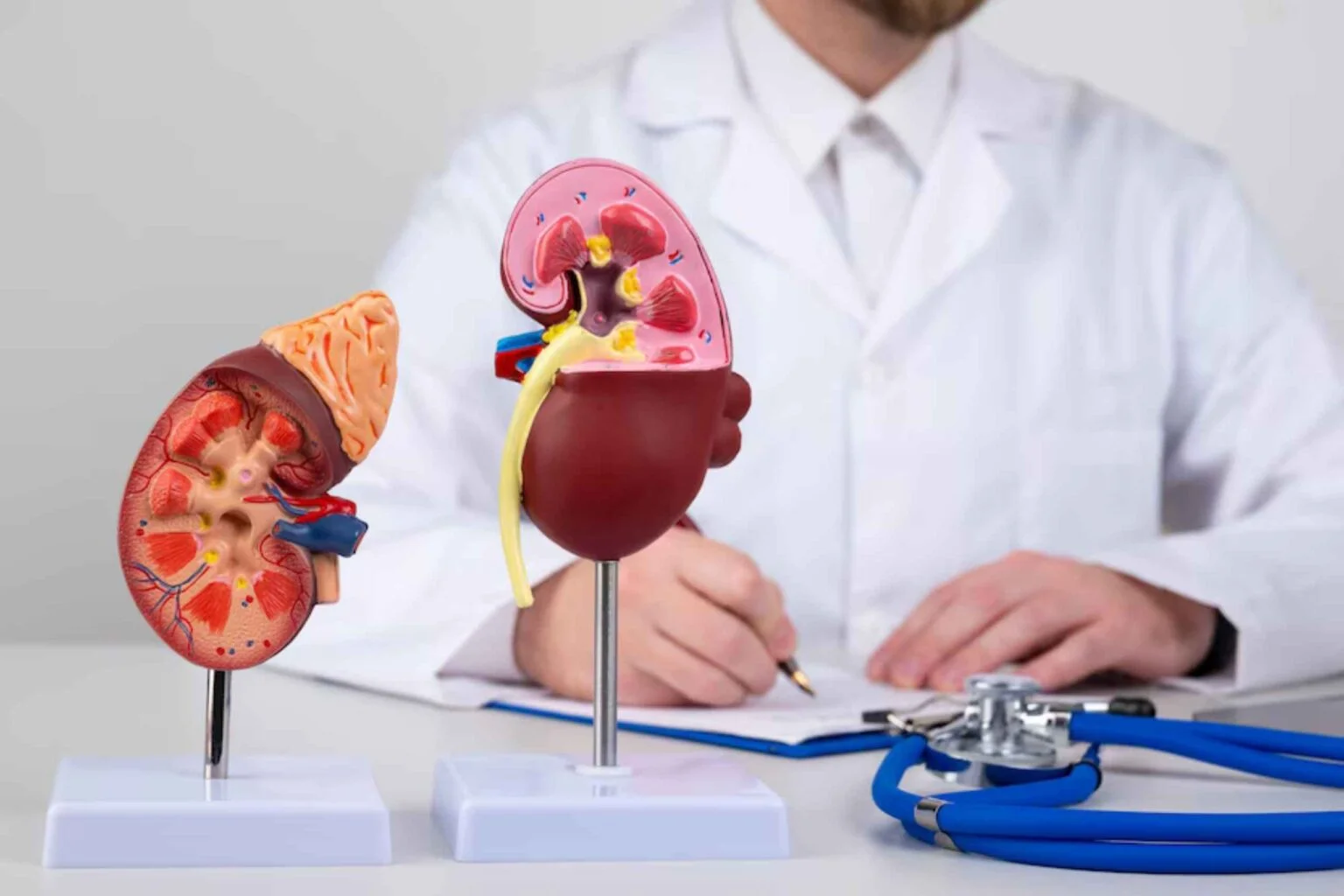



Key Highlights of Our CKD Diagnosis Services
The primary method of diagnosing this ailment is through blood tests, urine tests, and imaging tests alongside kidney biopsies if necessary. The diagnostics can be further broken down into:
- Serum Creatinine Levels
- Blood Urea Nitrogen
- Estimated Glomerular Filtration Rate
- Itching all over the body
- Proteinuria (Albumin in Urine)
- Haematuria (Blood in Urine)
- Ultrasound or CT scans of the abdomen
Get More Consultations
Take the first step towards better kidney health with expert nephrology care from Dr. Kosha Patel. Manage chronic kidney failure confidently with compassionate, specialized treatment tailored just for you.
Contact Us