- Your Kidney Health, Our Priority
- +91 8849736142
- kosha1012d@gmail.com
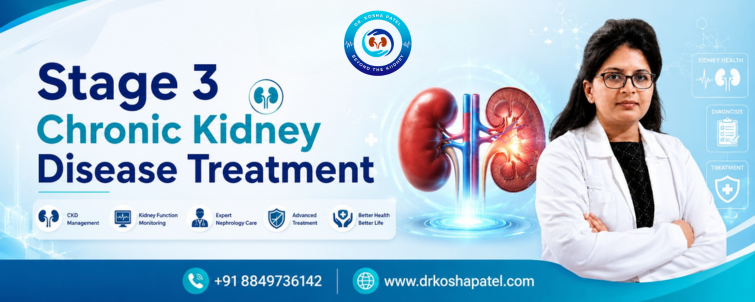
Stage 3 Chronic Kidney Disease Treatment

Best Kidney Specialist in Ahmedabad
June 29, 2026
End Stage Renal Disease (ESRD)
June 29, 2026Stage 3 Chronic Kidney Disease Treatment: The Ultimate Guide to Protecting Your Kidneys
Hearing that you or a loved one has been diagnosed with moderate kidney damage can feel overwhelming. However, discovering the right Stage 3 Chronic Kidney Disease Treatment early can make all the difference in protecting your future health. Stage 3 is a critical turning point where proactive medical care can successfully stop or significantly slow down disease progression.
With expert guidance, you can manage your symptoms and maintain an excellent quality of life. Renowned nephrologist Dr. Kosha Patel provides personalized kidney care that empowers patients to take control of their health. In this comprehensive guide, we will explore everything you need to know about navigating Stage 3 Chronic Kidney Disease Treatment effectively.
What Is Stage 3 Chronic Kidney Disease?
Chronic Kidney Disease (CKD) is divided into five stages based on how well your kidneys filter waste from your blood. Stage 3 CKD indicates moderate kidney damage. At this stage, your kidneys are not working as efficiently as they should, but they are still able to perform their vital bodily functions.
Doctors measure kidney function using the estimated Glomerular Filtration Rate (eGFR). The eGFR value represents how many milliliters of blood your kidneys clean per minute, adjusted for your body size.
In Stage 3 CKD, your eGFR falls between 30 and 59 mL/min/1.73 m². To provide more targeted care, medical experts divide Stage 3 into two sub-stages:
- Stage 3A (Mild to Moderate Damage): An eGFR between 45 and 59 mL/min/1.73 m².
- Stage 3B (Moderate to Severe Damage): An eGFR between 30 and 44 mL/min/1.73 m².
Stage 3A vs. Stage 3B CKD Comparison
| Feature | Stage 3A (Mild to Moderate) | Stage 3B (Moderate to Severe) |
|---|---|---|
| eGFR Range | 45 to 59 mL/min/1.73 m² | 30 and 44 mL/min/1.73 m² |
| Kidney Function | Roughly 45% to 59% of normal | Roughly 30% to 44% of normal |
| Symptom Risk | Low to moderate symptoms | Higher risk of noticeable symptoms |
| Primary Goal | Slow down progression and protect function | Intense management and preventing complications |
Getting an early evaluation from Dr. Kosha Patel helps determine your exact sub-stage and direct your therapeutic plan.
Symptoms of Stage 3 CKD
Many people do not experience noticeable symptoms in the earliest stages of kidney disease. However, as you transition into Stage 3, waste products can begin to accumulate in your blood, causing physical changes.
Common symptoms of Stage 3 CKD include:
- Fatigue and Weakness: Feeling constantly tired because of toxin buildup or a low red blood cell count.
- Swelling (Edema): Mild to moderate swelling in your hands, ankles, feet, or around your eyes due to fluid retention.
- High Blood Pressure: Increased fluid levels and hormone imbalances that raise blood pressure.
- Frequent Urination: Changes in how often you urinate, especially waking up multiple times at night.
- Back Pain: Mild discomfort or aching localized around the area of your kidneys.
- Loss of Appetite: A metallic taste in your mouth or mild nausea that reduces your desire to eat.
- Anemia: Kidneys produce less erythropoietin (EPO), a hormone that stimulates red blood cell production, leading to anemia.
If you experience these symptoms, consulting Dr. Kosha Patel for a comprehensive medical evaluation is an essential step.
Causes of Stage 3 Chronic Kidney Disease
To find the right Stage 3 Chronic Kidney Disease Treatment, we must first identify the root cause of the damage. Several medical conditions and lifestyle factors can lead to CKD, including:
- Diabetes: High blood sugar levels damage the delicate filtering units (nephrons) inside your kidneys over time.
- High Blood Pressure (Hypertension): Uncontrolled high blood pressure narrows and weakens the blood vessels in your kidneys.
- Glomerulonephritis: Inflammation of the kidney’s tiny filtering systems, which can be caused by autoimmune issues or infections.
- Genetic Disorders: Conditions like Polycystic Kidney Disease (PKD) cause cysts to grow, gradually replacing healthy tissue.
- Kidney Infections and Stones: Chronic infections or repeated blockages can cause permanent scarring.
- Lifestyle Factors: Chronic smoking, obesity, and the overuse of over-the-counter pain medications (like NSAIDs) damage kidney health.
Stage 3 Chronic Kidney Disease Treatment
The primary goal of Stage 3 Chronic Kidney Disease Treatment is to stabilize kidney function and keep your kidneys working for as long as possible. Effective Treatment for Stage 3 CKD requires a multi-pronged medical approach.
1. Blood Pressure Management
Keeping your blood pressure in a healthy range is crucial to protect your blood vessels. Doctors frequently prescribe specific medications, such as Angiotensin-Converting Enzyme (ACE) inhibitors or Angiotensin Receptor Blockers (ARBs). These medications lower blood pressure and reduce protein leakage in the urine, offering extra protection for your kidneys.
2. Diabetes Control
If you have diabetes, managing your blood sugar is the single most important part of your Stage 3 Chronic Kidney Disease Treatment. You can achieve this through a combination of regular monitoring, oral medications, insulin, and a balanced diet.
3. Medical Monitoring and Regular Nephrologist Visits
You will need regular blood and urine tests to monitor your $eGFR$ and track waste products like creatinine and urea. Scheduling routine checkups with Dr. Kosha Patel ensures your medical team can adjust your Stage 3 CKD Care plan immediately if your kidney function changes.
Foods to Eat vs. Foods to Avoid
Your diet plays a critical role in your overall Stage 3 Kidney Disease Treatment. What you eat directly affects how much waste your kidneys have to filter. A kidney-friendly diet reduces stress on your organs and helps control your blood pressure.
Dietary Guidelines
- Salt (Sodium) Restriction: High sodium causes fluid retention and raises blood pressure. Avoid processed foods, canned soups, and table salt.
- Protein Management: While you need protein, consuming too much of it produces excess waste products that strain your kidneys. Focus on high-quality, moderate protein portions.
- Fluid Management: In Stage 3, fluid restrictions are not always necessary unless you experience severe swelling. Always follow the personalized guidelines provided by your doctor.
Recommended Foods vs. Foods to Avoid
| Foods to Emphasize | Foods to Avoid or Limit |
|---|---|
| Fresh fruits: Apples, berries, grapes, and pears | High-sodium items: Canned meals, chips, and processed meats |
| Fresh vegetables: Cauliflower, cabbage, onions, and garlic | High-potassium items: Bananas, oranges, potatoes, and tomatoes |
| Healthy grains: White rice, pasta, and bulgur | High-phosphorus foods: Dark colas, beer, cheese, and bran products |
| Lean proteins: Egg whites, skinless chicken, and fresh fish | Heavy proteins: Excess red meat and processed protein bars |
Developing a customized meal plan is a core element of your Chronic Kidney Disease Stage 3 Treatment. Consult Dr. Kosha Patel to receive tailored dietary recommendations suited to your current lab results.
Lifestyle Changes That Protect Kidney Function
In addition to medical therapies, daily habits are vital to Managing Stage 3 CKD. Implementing healthy lifestyle changes can dramatically improve your long-term kidney outcomes.
- Engage in Regular Exercise: Aim for at least 30 minutes of moderate physical activity, such as walking or cycling, five days a week. Exercise helps control blood pressure and manages blood sugar.
- Maintain a Healthy Weight: Losing excess weight reduces the metabolic workload on your kidneys.
- Quit Smoking: Smoking damages your blood vessels and accelerates kidney decline. Stopping smoking is one of the most effective ways to protect your remaining kidney tissue.
- Avoid Self-Medication: Avoid over-the-counter pain relievers like ibuprofen and naproxen, as they can be highly toxic to damaged kidneys. Always consult your doctor before starting any new supplement or drug.
Implementing these supportive habits is a fundamental part of a successful Stage 3 Chronic Kidney Disease Treatment strategy.
Can Stage 3 CKD Be Reversed?
While structural kidney damage cannot be fully reversed, the proper Stage 3 Chronic Kidney Disease Treatment can halt disease progression entirely. Many patients who strictly follow their treatment plans remain in Stage 3 for the rest of their lives without ever progressing to kidney failure.
Through dedicated Stage 3 CKD Care, your eGFR may even improve slightly as acute inflammation heals or your blood pressure stabilizes. The ultimate goal is to preserve your current kidney function and avoid the need for dialysis or a kidney transplant.
When Should You See a Kidney Specialist?
You should consult a kidney specialist, or nephrologist, as soon as your eGFR drops below 60 mL/min/1.73 m². A specialist can offer advanced diagnostic testing and identify potential complications early.
For comprehensive and highly personalized care, you can consult Dr. Kosha Patel. At Dr. Kosha Patel’s kidney clinic, patients receive comprehensive CKD management designed to protect their long-term health and well-being.
Why Choose Dr. Kosha Patel?
Choosing the right partner for your healthcare journey makes all the difference. Dr. Kosha Patel provides personalized kidney care tailored to your unique lifestyle and medical needs.
- Experienced Nephrologist: Extensive training and clinical expertise in managing all stages of kidney disease.
- Personalized Treatment Plans: Customized medical therapies, diet adjustments, and lifestyle coaching.
- Advanced Kidney Care: Utilizing state-of-the-art diagnostic and therapeutic tools.
- Compassionate Patient Approach: Taking the time to answer your questions and reduce your anxiety.
- Evidence-Based Treatment: Adhering strictly to current global nephrology guidelines to ensure safe, effective care.
Frequently Asked Questions (FAQs)
1. What is the best Stage 3 Chronic Kidney Disease Treatment?
The most effective Stage 3 Chronic Kidney Disease Treatment focuses on treating the underlying cause, such as high blood pressure or diabetes. This includes taking blood pressure medications (like ACE inhibitors or ARBs), adopting a low-sodium diet, exercising regularly, and scheduling routine checkups with your nephrologist.
2. Can Stage 3 CKD be cured?
Stage 3 kidney damage cannot be fully cured, but proper Stage 3 Kidney Disease Treatment can slow or halt its progression. Many patients manage to maintain their kidney function at Stage 3 for decades without progressing to advanced stages.
3. Is dialysis needed in Stage 3 CKD?
No, dialysis is not required for Stage 3 kidney disease. Dialysis is only necessary during Stage 5 CKD, also known as kidney failure, when kidney function drops below 15%. Proactive Treatment for Stage 3 CKD is designed to prevent you from ever needing dialysis.
4. What foods help Stage 3 CKD?
Foods that support kidney health include fresh apples, berries, cauliflower, cabbage, egg whites, and lean poultry in moderation. Consistently following a low-sodium, kidney-friendly diet is a vital part of Managing Stage 3 CKD.
5. How fast does Stage 3 CKD progress?
The progression rate varies from person to person. Without medical intervention, kidney function can decline over a few years. However, with high-quality Chronic Kidney Disease Stage 3 Treatment and routine monitoring, many patients experience very little to no progression.
6. Can kidney function improve?
Yes, your $eGFR$ numbers can sometimes improve slightly once you manage your blood pressure, control your diabetes, and resolve acute kidney stressors. Protecting your remaining kidney tissue is the primary focus of long-term care.
7. What lifestyle changes help?
Key lifestyle modifications include walking for 30 minutes daily, maintaining a healthy weight, quitting smoking, and avoiding kidney-toxic medications like NSAID pain relievers. These simple changes are essential for robust Stage 3 CKD Care.
8. When should I consult a nephrologist?
You should see a nephrologist immediately if your eGFR drops below 60 mL/min/1.73 m² or if you experience symptoms like swelling and persistent fatigue. Early intervention is the key to preserving kidney function.
9. Is Stage 3 CKD life-threatening?
Stage 3 CKD is not immediately life-threatening. However, it requires active medical management to prevent serious complications like heart disease or progression to kidney failure.
10. How often should kidney function be checked?
Typically, patients with Stage 3 CKD should have their blood and urine tested every 3 to 6 months. Regular testing helps your doctor adjust your Stage 3 Chronic Kidney Disease Treatment plan as needed.
Conclusion
A diagnosis of Stage 3 CKD is an invitation to take proactive control of your health. With the right Stage 3 Chronic Kidney Disease Treatment, you can slow down kidney damage, control your symptoms, and live a full, active life. By managing your blood pressure, eating a kidney-friendly diet, and making positive lifestyle adjustments, you can successfully protect your kidney health.
Don’t wait for your symptoms to worsen. Consult Dr. Kosha Patel for expert Stage 3 Chronic Kidney Disease Treatment and secure a healthier, brighter future.
